All About
Insecurity in Yorubaland: A Call for Responsible Leadership and Collective Action.
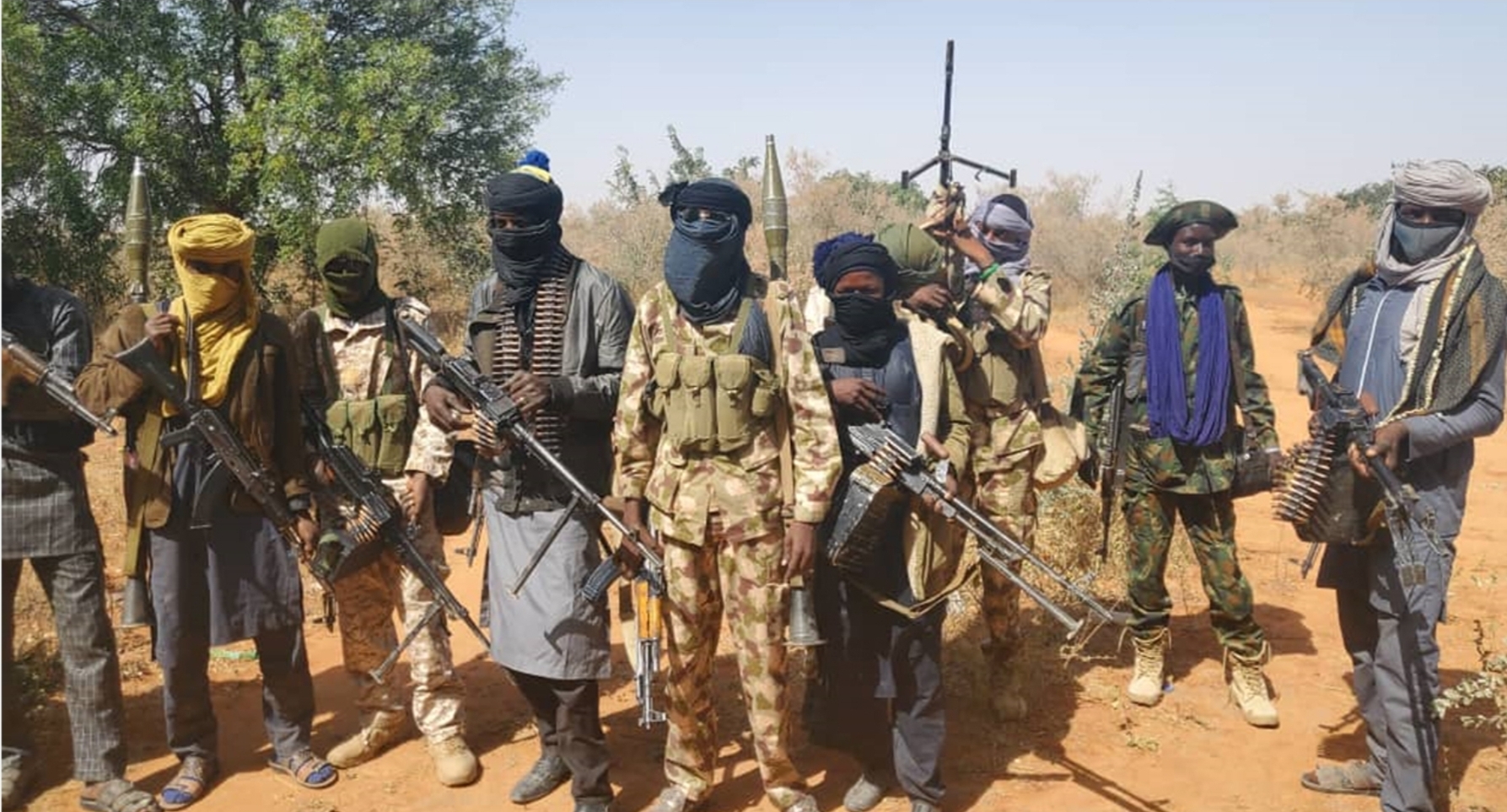
Yorubaland, historically known for peace, culture, and economic vitality, is currently facing a disturbing surge in insecurity that threatens lives, livelihoods, and societal trust across its states. From rural farmlands to urban centers, communities are increasingly affected by kidnapping, violent attacks, and criminal banditry, creating deep fear and uncertainty among ordinary citizens.
Recent statements from civil society groups such as the Alliance for Yoruba Democratic Movements (AYDM) reflect the frustration and anguish being felt across the region. These developments point to a serious breakdown in security and raise urgent questions about leadership, preparedness, and collective resolve.
*Ondo State: Traditional Authority Under Threat*
In Ondo State, the security situation has recently taken a particularly tragic turn with the killing of traditional leaders. The murder of Oba (traditional ruler) Falodun in Ondo State — allegedly by armed attackers — sent shockwaves through the community and heightened fears for personal and public safety.
The region has also witnessed other high-profile attacks on respected leaders. The killing of the Oluoro of Ikoro, a retired Army General, further underscored the severity of the threat facing both rural and semi-urban communities. These incidents are not isolated; they form part of a worrying pattern where cultural custodians and community figures are targeted, deepening collective anxiety and eroding trust in the ability of security agencies to prevent violence.
Ekiti State: A Peaceful Land Disrupted
In Ekiti State, several alarming incidents have challenged the perception of the state as a bastion of peace. Reports of violent attacks on residents on the outskirts of towns, prolonged kidnappings in rural areas such as Erinmope, and the abduction of a serving police officer have unsettled citizens across the state.
An attack near a federal educational institution in Ado-Ekiti also raised serious concerns about the safety of students and school communities. Families now worry about their children’s security, even during daylight hours, while communities fear that criminals are becoming increasingly bold and less deterred by law enforcement.
Osun and Oyo: Rural and Highway Vulnerabilities
In Osun State, reports of farm attacks, kidnappings, and cult-related violence have led to increased insecurity in forested and rural communities. Many villagers have expressed fear of moving freely during early mornings and evenings.
Similarly, Oyo State faces a growing trend of violent crime along major highways and in isolated settlements. Kidnappers and armed gangs have been known to target travelers, workers, and residents, stretching the capacity of local security resources and creating pressure for more proactive patrols and intelligence-led operations.
Ogun and Lagos: Urban Centers and Border Communities
Ogun State, bordering Lagos, continues to record cases of ritual killings, cult violence, and highway kidnappings. Border communities, often underserved by law enforcement, remain particularly vulnerable.
Even Lagos State — Nigeria’s economic heartbeat — is not untouched by the wave of insecurity. While Lagos benefits from stronger policing, residents in areas such as Ikorodu, Badagry, and Epe have reported rising robbery cases, cult clashes, and vehicle thefts. As criminal networks become more mobile and organized, urban centers risk losing the sense of safety that once distinguished them.
Leadership Vacuum and Public Anger
One of the most serious concerns raised by citizens’ groups is the perceived leadership vacuum across the region. Traditional rulers, community leaders, and business elites are being called upon to demonstrate greater unity and moral authority in tackling rising violent crime. Many citizens feel abandoned, citing slow responses, limited transparency, and insufficient engagement from political authorities.
Ongoing attacks on revered community figures, including traditional rulers in Ondo State, have deepened this sense of collective outrage. When cultural leaders — often symbols of stability and tradition — are attacked with impunity, it signals a dangerous breakdown in the social contract.
What Must Be Done
To address the escalating insecurity in Yorubaland, urgent and comprehensive action is required from both government and civil society:
1. Strengthen Community-Based Security:
Local vigilance groups working within legal frameworks must be empowered and integrated into broader security strategies.
2. Enhance Intelligence and Patrols:
Forest reserves, rural corridors, and highways need sustained monitoring through intelligence-driven patrols.
3. Transparent Communication:
Governments and security agencies must communicate regularly and honestly with citizens about threats and responses.
4. Swift Justice and Accountability:
Arrests must lead to prosecutions that serve as deterrents, not symbolic gestures.
5. Regional Collaboration:
Southwestern states should coordinate security efforts and share information across borders to prevent criminals from exploiting jurisdictional gaps.
Conclusion: A Moment of Choice
The rise in insecurity across Yorubaland is not just a law enforcement problem; it is a crisis of leadership, trust, and collective action. If allowed to spiral unchecked, violence will undermine education, destabilize communities, and drain economic prospects.
Yoruba societies have endured through resilience, dialogue, and a strong sense of shared destiny. Today, that legacy is being tested. The pain and frustration must be channeled not into despair or ethnic animosity, but into a concerted demand for accountability, protection, and justice.
Security in Yorubaland cannot be taken for granted. It must be defended — with strategy, courage, and unity. And leadership, at every level, must rise to meet this defining moment.
- Prof Abiodun Ojo