All About
INSECURITY IN YORUBALAND: A CALL FOR JUSTICE, SECURITY, AND NATIONAL RESPONSIBILITY
By Prof Abiodun Ojo
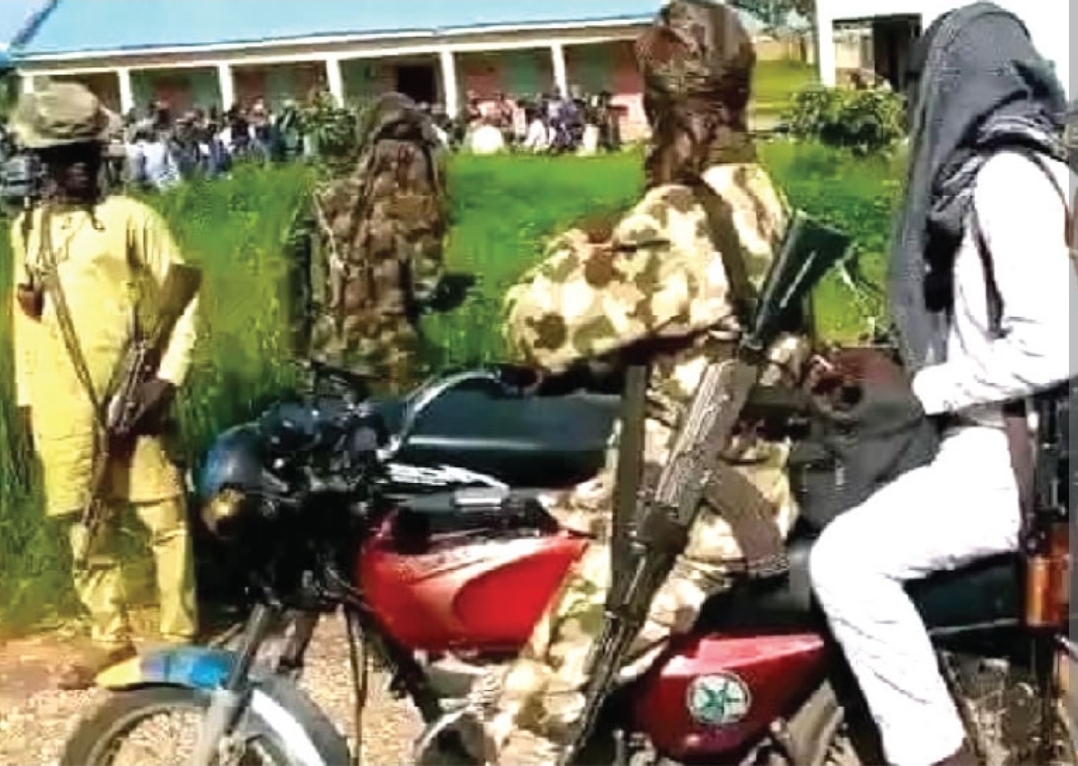
Recent incidents of kidnapping, killings, attacks on schools, churches, farms, highways, and rural communities across parts of Yorubaland have left many citizens angry, frightened, and deeply concerned about their future. Reports of innocent children being abducted, worshippers attacked, farmers driven from their lands, and teachers brutally murdered have raised difficult questions about the state of security in Nigeria.
For many Yoruba people, the question is simple: Why should communities that have traditionally been known for commerce, education, agriculture, and peaceful coexistence become theatres of violent criminal activities?
The first point that must be made is that criminality must never be excused, justified, or romanticized. Whether the perpetrators are terrorists, bandits, kidnappers, armed herders, or organized criminal gangs, their actions constitute a direct assault on human dignity, public safety, and the rule of law.
At the same time, it is important to avoid the dangerous mistake of treating an entire ethnic, regional, or religious group as collectively responsible for the actions of criminals. Millions of northerners, including Muslims and Fulani communities, are themselves victims of terrorism, banditry, and kidnapping. Entire villages across northern Nigeria have suffered attacks from violent groups. Therefore, the battle is not between Yoruba and Fulani, nor between Christians and Muslims. It is a battle between law-abiding citizens and violent criminals.
Nevertheless, Nigerians have a right to demand answers from government. Citizens expect security agencies to identify, arrest, prosecute, and punish those responsible for attacks wherever they occur. No criminal should be allowed to hide behind ethnicity, religion, political influence, or geographical location.
The growing insecurity in parts of the South-West also raises important questions about border security, forest governance, intelligence gathering, and law enforcement. Forest reserves and remote rural areas must not become safe havens for kidnappers and armed groups. Security agencies must strengthen surveillance, improve intelligence sharing, and work closely with local communities to prevent attacks before they occur.
Equally important is the need for justice. Communities that suffer attacks deserve more than sympathy. They deserve visible action. Arrests must lead to prosecution. Victims deserve support. Families who have lost loved ones deserve assurance that the state remains capable of protecting them.
History shows that when citizens lose confidence in the ability of government to provide security, tensions can rise and communities may become tempted to seek self-help. Such a path is dangerous because it can lead to cycles of retaliation, ethnic suspicion, and wider conflict. Nigeria cannot afford such an outcome.
The solution lies not in ethnic confrontation but in effective governance, professional security operations, community vigilance, and equal application of the law. Criminals must be identified as criminals—not as representatives of entire ethnic or religious groups.
The people of Yorubaland, like all Nigerians, deserve to live without fear. They deserve safe schools, secure farms, peaceful highways, and communities where worshippers can gather without anxiety. Achieving that goal requires courage from government, cooperation among citizens, and an unwavering commitment to justice.
Nigerias future depends not on dividing its peoples against one another, but on uniting all law-abiding citizens against those who threaten peace, security, and national stability.
*The Responsibility of Influential Leaders*
One of the factors fueling suspicion and resentment across parts of Nigeria is the perception that some influential northern leaders have not spoken with sufficient clarity, consistency, or urgency against banditry, kidnapping, and terrorism.
Over the years, certain political leaders, traditional rulers, clerics, community leaders, and public officials have made statements that many Nigerians interpret as sympathetic to, or overly accommodating of, criminal elements. Whether those interpretations are entirely fair or not, the resulting perception has damaged public confidence and deepened ethnic mistrust.
Many citizens ask legitimate questions. Why do some leaders appear more willing to explain the grievances of criminals than to champion the suffering of victims? Why are communities devastated by kidnappings, killings, and displacement often left feeling unheard? Why has there been a seeming reluctance in some quarters to unequivocally isolate violent criminals from the larger communities from which they emerge?
These questions become even more pressing when innocent schoolchildren are abducted, worshippers attacked, farmers driven from their lands, and entire communities forced to live in fear.
It is important to state clearly that no ethnic group should be held collectively responsible for the actions of criminals. However, it is equally important to insist that influential leaders bear a special responsibility to condemn criminality without ambiguity and to cooperate fully with efforts to bring perpetrators to justice.
Silence, equivocation, selective outrage, or attempts to rationalize criminal violence can have serious consequences. When leaders fail to draw a firm moral line between legitimate community concerns and outright criminality, they risk creating the impression that criminals enjoy protection, sympathy, or political cover.
The Nigerian people deserve leadership that stands firmly with victims, supports the rule of law, and rejects terrorism, banditry, kidnapping, and violent extremism regardless of the identity of those responsible. Anything less undermines national unity and weakens public trust in the institutions charged with protecting lives and property.